
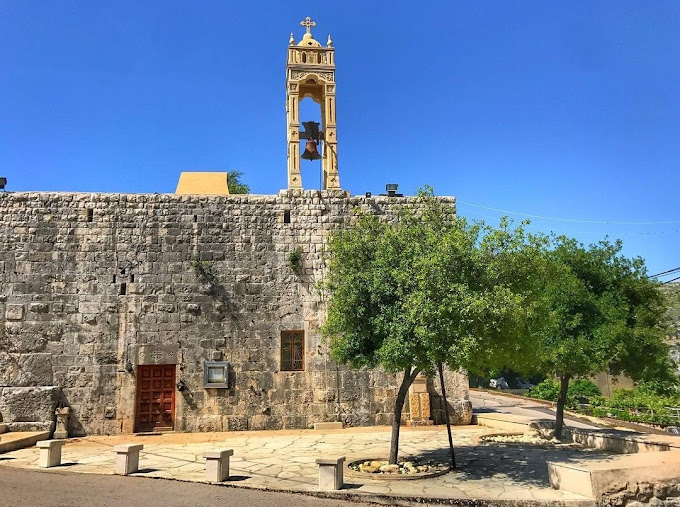
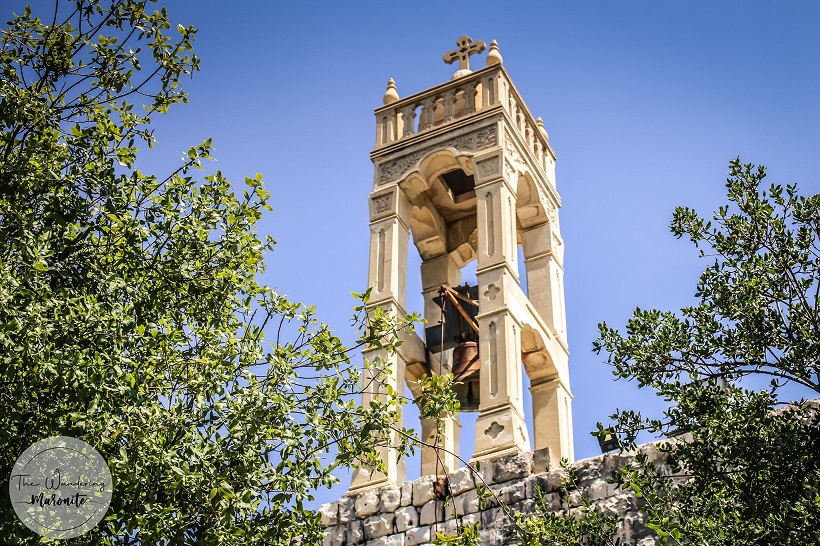
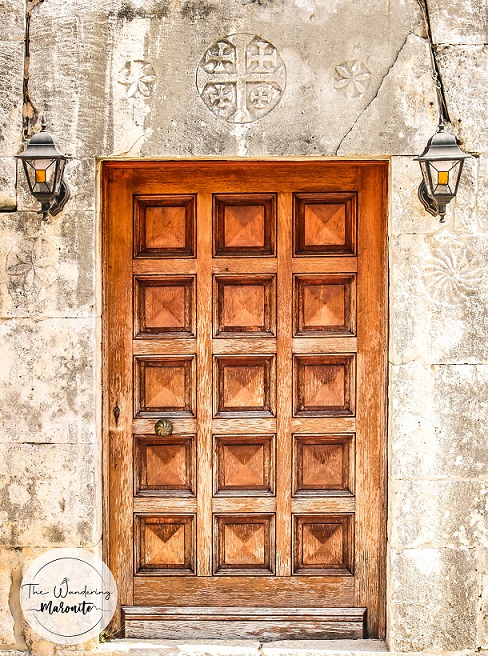
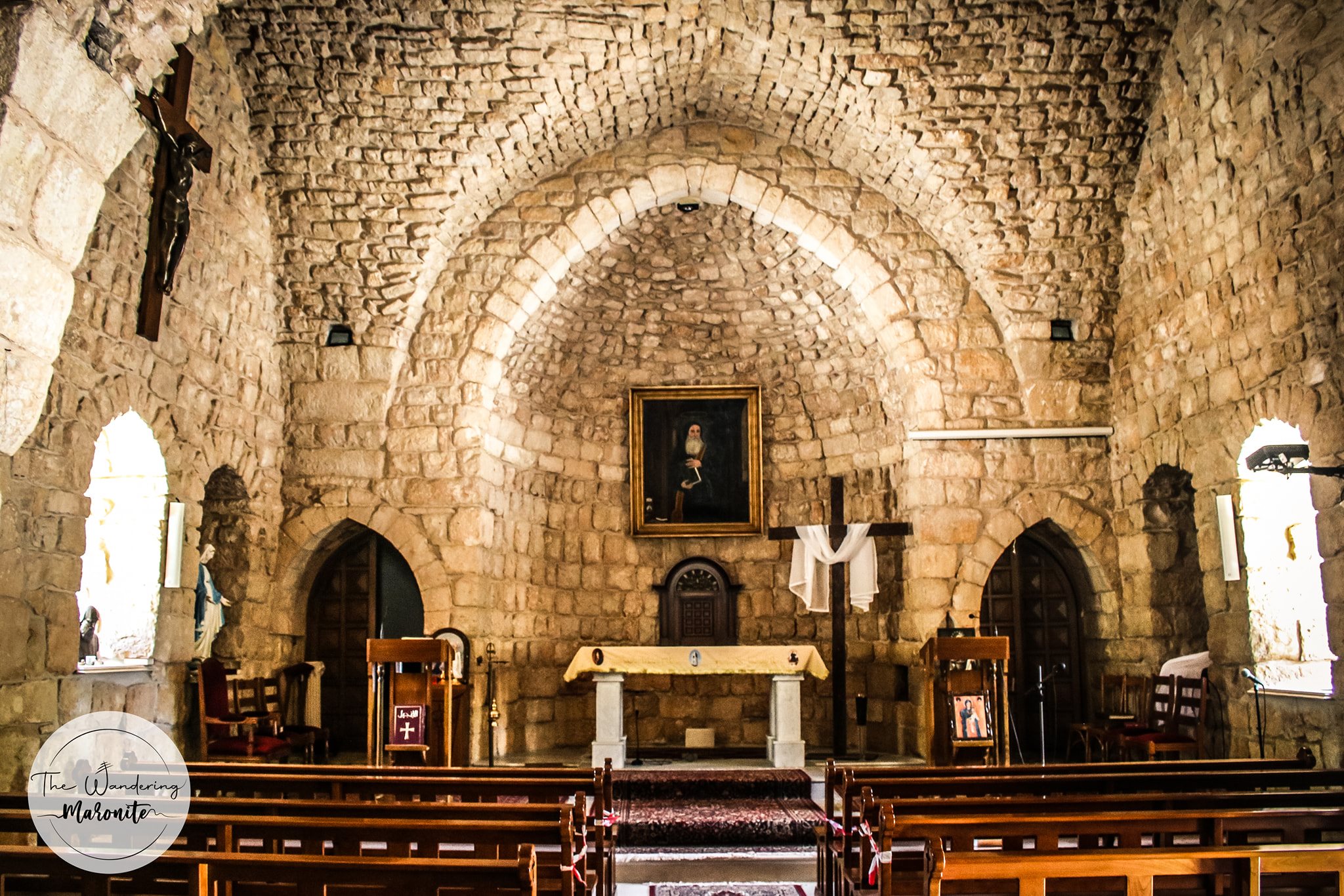
Ain Kfaa – Saint Rouhana

St rouhana church - كنيسة مار روحانا الرعائية, Ain Kfaa, Lebanon

Other Details

كنيسة مار روحانا

Ain Kfaa

Jbeil

Mount Lebanon

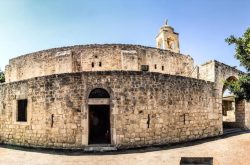
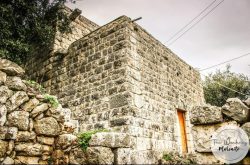
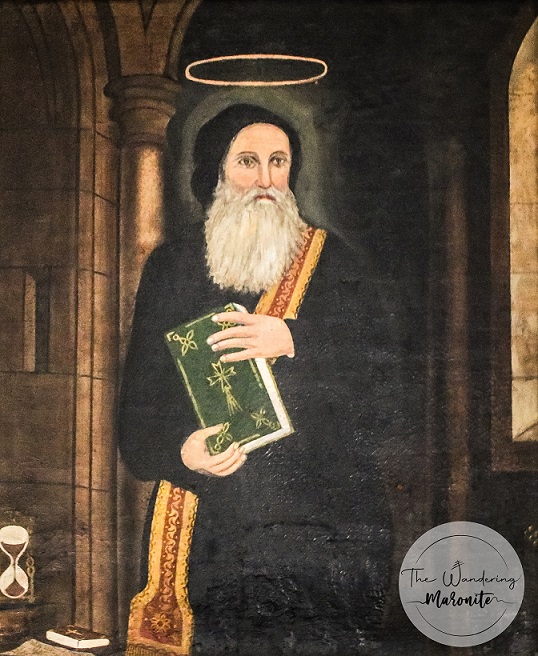
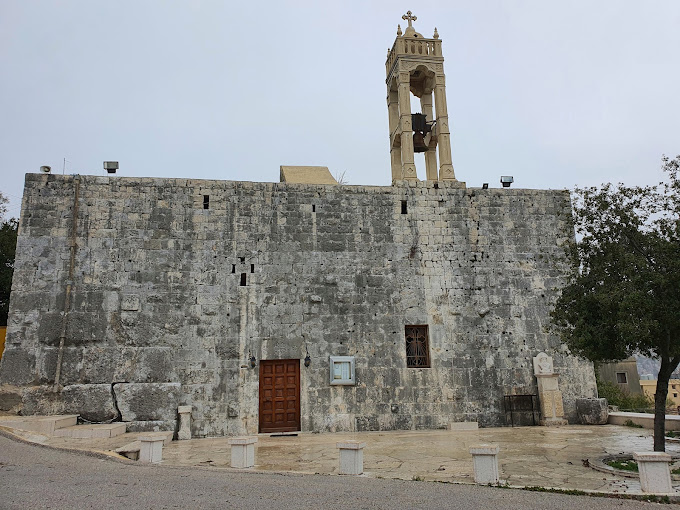
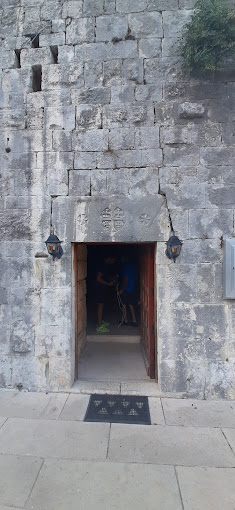
بناها الخوري يوحنا إبن الخوري فرج الحداد، وقد عُثرَ على قرطاس في كنيسة تحوم يؤيّد ذلك.وكنيسة مار روحانا مشيّدة على بقايا برج روماني قديم آثاره ما زالت ماثلة، فزاويته الجنوبيّة الغربيّة راسخة على حجارة ضخمة من نفس مقلع حجارة بعلبك بحسب الخبراء. اما درج الكنيسة فداخليّ، وفي خاصرة حنية الكنيسة حجرة مخفية أعدّها القدماء مدفنًا لكنوزهم.وبالقرب من هذا المعبد، اكتشف الأثريّون مدافن قديمة واستدلّوا على منزلة مهمة لمن سكن في هذه الأماكن الأثريّة.تجدر الإشارة إلى أنّ مار روحانا المرنّم هو لقب محبّب للسريان معناه الروحانيّ، يطلق على مار قبريانوس الناسك.St Rouhana’s church - Aïn kfaaIt was built by Fr. Youhanna son of Fr. Faraj Al Haddad, as it is attested in a manuscript belonging to the parish of Thoum.The church is built on top of an old roman tour, the stones of which are quarried from the same source as the Great temples of Baalbek. The church has an indoor stone ladder.Near the church many roman ruins where found and a noble necropolis.St Rouhana the cantor is a title given by the syriacs and is translated to "the spiritual", it is given to St Cyprian the hermit.

Visited 6034 times, 4 Visits today

Reviews are disabled, but trackbacks and pingbacks are open.

Related Listings

Dmalsa – The Church of St. Nouhra (Logius) and St. Sophia

Saint Nohra and saint sophia (مار نوهرا), Kfar Mashoun, Lebanon

كنيسة مار نوهرا ومارت صوفيا

Kfar Mashoun

Jbeil

Mount Lebanon

كنيسة مار نوهرا ومارت صوفيا - دملصا

هي كنيسة بخوروسين تعود للعصر البيزنطيّ. تحوي الكنيسة على نقوش صلبانٍ وآثار جداربّات من القرون الوسطى. من هذه الكنيسة خرج البطريركان يوحنّا الدملصاوي في القرن الثامن وإرميا الدملصاوي (١٢٨٢-١٢٩٧). رُمّمت الكنيسة سنة ١٩٩٩.

The Church of St. Nouhra (Logius) and St. Sophia - Dmalsa

It is a double-choired church that dates back to the Byzantine era. The church holds cross engravings and the remains of medieval frescoes. From this church, two patriarchs were given to the Maronite community: Youhanna Dmolsawi in the VIIIth century and Ermia Dmolsawi (1282-1297). The church was restored in 1999.

Qozhaya – The Monastery of St. Anthony the Great

دير مار أنطونيوس الكبير قزحيا - الرهبانية اللبنانية المارونية, دير مار أنطونيوس قزحيا، Aarbet Qozhaiya, Lebanon

دير مار أنطونيوس الكبير

Aarbet Qozhaiya

Zgharta

North

دير مار أنطونيوس الكبير – قزحيَّا

يقع الدير في وادي قزحيَّا (الكنز الحيّ). يرجِّح المؤرِّخون تأسيس هذا الدير، في أوائل القرن الرابع. في الدّير آثار من تأسيسه أهمّها عصا رعاية من الملك لويس التاسع. سنة ١٢١٥ بعث البابا إينوشنسيوس الثالث، براءة إلى البطريرك إرميا العمشيتيّ تذكِّر بأنَّ دير قزحيَّا هو أوَّل كرسيّ أسقفيّ مارونيّ. كان الدير، منذ القديم، ركيزة الحياة النسكيَّة في الكنيسة المارونيَّة. بقربه قامت عدّة محابس تابعة له. وتجدر الإشارة إلى أنَّ أوَّل مطبعة وصلت إلى الشرق كانت في دير قزحيّا سنة ١٦١٠. تَسلَّمت الرهبانيَّة اللبنانيَّة الدير، سنة ١٧٠٨. حَلَّت بالدير نَكبات من الطبيعة؛ ونكبات من جور المضطهِدين. سنة ١٨٢٨ بُنيت كنيسة الدّير الحاليّة. في أثناء الحرب العالميَّة الأولى، قام الدير بإيواء جميع الوافدين إليه وإعالتهم. يضم الدّير العديد من الآثار، أخذ شكله الحاليّ في عشرينيّات القرن الماضي ورمّم في آخره. هو من أهمّ الأديار المارونيّة، ومركزًا للحجّ والخلوة

The Monastery of St. Anthony the Great - Qozhaya.

The Monastery sits on a cliff in the valley of Qozhaya (meaning the treasure of life). According to archeologists, the monastery dates back to the 4th century. Evidence of its importance includes a cross given by King Louis IX and a bull from Pope Innocent III, dating back to 1250, which granted Qozhaya precedence over other Maronite monasteries. Qozhaya had a hermitical tradition, and as a result, many hermitages were built near it. In 1610, the first printing press of the Middle East was brought to Qozhaya. In 1708, the Lebanese Maronite Order acquired the monastery. The monastery has suffered from natural disasters and the despotism of rulers. In 1828, a great church was built. During World War I, the monastery served as a refuge. In the 1920s, the monastery took on its current structural shape, and was restored in the 1990s. It is considered a major pilgrimage site for Maronites around the world.

Jeita – The convent of St Elias el Ras

Mar Elias El Ras Monastere (Church), Mazraat El Ras, Lebanon

دير مار الياس الراس

Jaaita

Keserwan

Mount Lebanon

دير مار الياس الراس – جعيتا

تأسّس الدّير في مزرعة الراس بعد جلاء المماليك عن كسروان. عام ١٧٠٤ كان الدّير بعهدة القسّ بطرس صفرونيوس الحاقلانيّ من زوق مصبح، الذي ترهّب فيه مع رهبانه العبّاد.
قرّر المجمع اللبنانيّ المنعقد سنة ١٧٣٦ إلغاء الأديار المزدوجة، وفصل أديار الرهبان عن أديار الراهبات، وشدّد على أن يكون للراهبات قانون خاصّ. عند الإنتقال إلى مرحلة تطبيق مبدأ الفصل إتّفق القاصد الرسوليّ يوسف السمعانيّ مع المطران عبدالله قراعلي، على إنشاء دير قانونيّ يكون مثالًا وقدوة لسائر أديار الراهبات في دير ما الياس الراس. وهكذا آل الدير إلى الرّهبانيّة اللبنانيّة المارونيّة.
باشر الرهبان، بعد استلام الدّير، بناء كنيسةٍ ودير مخصّص لسكن راهبات محصّنات فبني الدّير الجديد مع كنيسته الكبيرة. فُتحت أبواب الدير في ٦ كانون الثاني ١٧٤٠. ولا يزال إلى اليوم واحة صلاةٍ وتأملٍ، ومزارًا يقصده المؤمنون من كلّ حدبٍ وصوب.

The convent of St Elias el Ras - Jeita

The convent was built in the farm of El Rass after the Mamluks left Keserwan. In 1704 the convent was under the custody of Boutros Safronius el Haklany, a monk from Zouk Mosbeh. In 1736 the Lebanese Council dictated that nunneries shall be separated from monks' monasteries, thereby abolishing mixed monasteries, and giving nuns their own convents and rules. When it was time to apply the new rules, Monsignor Youssef El Semaany, the papal nuncio, and Bishop Abdallah Qaraaly, decided to give St Elias’s convent to the nuns of the newly formed Lebanese Order. It was decided to build a new convent suitable for contemplative nuns with a big church. The new convent was consecrated on the 6th of January 1740, and is still a haven for prayer and meditation, and a shrine for all pilgrims.